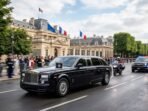

JAKARTA – The premium automotive market continues to demonstrate that selling luxury vehicles is no longer just about mechanical specifications, cutting-edge technology, or engine displacement. Instead, global luxury automakers have masterfully shifted their core marketing strategies to sell something far more abstract yet deeply coveted: an undeniable symbol of high social status and personal success.
For affluent consumers, purchasing a high-end vehicle goes beyond the basic need for point-to-point transportation. Premium cars function as a visual shorthand for achievement, power, and prestige. When a buyer drives a luxury sedan or a high-performance SUV off the showroom floor, they are effectively purchasing an elite identity that commands immediate respect within professional and social circles.
Industry analysts note that premium brands meticulously craft this narrative through exclusive dealership experiences, bespoke customization options, and high-barrier entry pricing. By maintaining a strict aura of exclusivity, these manufacturers ensure that their vehicles remain a distant aspiration for the masses and a tangible badge of honor for those who have reached the pinnacle of their respective careers.
Ultimately, the steady demand in the luxury automotive sector proves that emotional resonance—specifically the human desire to project success and validation—remains the most powerful driving force behind multi-billion rupiah consumer decisions.
This phenomenon aligns closely with the sociological concept of “conspicuous consumption,” where individuals purchase luxury goods explicitly to publicly display their economic power. In rapidly developing economies like Indonesia, the rise of a new affluent class—consisting of tech entrepreneurs, top corporate executives, and high-profile creators—has supercharged the premium vehicle market. In major metropolitan areas, the car one drives serves as a crucial corporate calling card.
Automotive marketing experts also highlight that this psychological tie helps luxury brands remain highly resilient during economic fluctuations. While the mass-market automotive sector often suffers during inflation or shifting interest rates, the ultra-wealthy demographic rarely compromises on status-driven purchases. In fact, many view limited-edition premium vehicles as alternative investment assets that hold unique historical and emotional value.
Furthermore, as the automotive world shifts toward electrification, premium brands are successfully adapting the “success symbol” narrative to include environmental consciousness. Driving a high-end luxury electric vehicle (EV) now sends a dual message of ultimate financial success combined with progressive global responsibility, ensuring that the allure of the premium car remains intact for the next generation of buyers.