
The first time I seriously considered buying a used car online, I hesitated. Like many people, I believed purchasing a vehicle required walking around a dealership, inspecting every panel, negotiating for hours, and hoping I wasn’t overlooking hidden problems.
But after spending weeks researching modern automotive marketplaces, I realized something remarkable was happening. Companies like Carvana and Kavak weren’t simply selling cars online—they were reinventing how trust, technology, and convenience work together in the automotive industry.
Today, online used vehicle retail has evolved far beyond digital listings. It has become an intelligent ecosystem powered by AI, data analytics, logistics, financing, and customer experience.
As digital commerce continues expanding worldwide, Carvana and Kavak have emerged as two of the most influential innovators redefining how millions of consumers buy, finance, and sell pre-owned vehicles.
The Evolution of Used Car Shopping
For decades, purchasing a used vehicle involved uncertainty. Buyers often visited multiple dealerships, compared prices manually, negotiated extensively, and relied heavily on limited vehicle history information.
Digital transformation changed that landscape.
Modern online retailers now offer:
- Complete vehicle inspections
- High-resolution 360-degree photography
- Vehicle history reports
- Home delivery
- Online financing approvals
- Trade-in valuation
- Digital paperwork
- Flexible return policies
These improvements dramatically reduce the stress traditionally associated with buying a pre-owned vehicle.
Why Carvana Changed Consumer Expectations
Carvana entered the automotive market with an ambitious idea: eliminate the dealership experience almost entirely.
Instead of spending an afternoon negotiating with salespeople, customers browse thousands of vehicles online, compare financing options instantly, and complete the purchase from home.
Perhaps the company’s most recognizable innovation is its famous vehicle vending machine, where customers can collect purchased cars through a fully automated process.
However, the real innovation isn’t the vending machine itself—it’s the technology ecosystem supporting it.
Carvana invests heavily in:
- Predictive pricing algorithms
- Inventory optimization
- Digital financing
- Nationwide logistics
- Vehicle reconditioning
- Customer satisfaction systems
Together, these elements create a streamlined purchasing experience that appeals particularly to younger, digitally native consumers.
Kavak Brings Digital Innovation to Emerging Markets
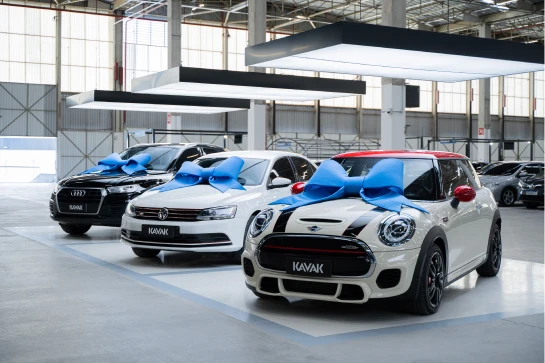
While Carvana dominates attention in North America, Kavak has become one of Latin America’s fastest-growing automotive technology companies.
Operating across several countries, Kavak recognized a significant challenge unique to emerging markets: trust.
Many buyers lacked confidence in used vehicle quality, pricing transparency, and ownership documentation.
Rather than copying traditional dealership models, Kavak built an integrated platform combining:
- Vehicle inspections
- Certified refurbishment
- Financing solutions
- Warranty programs
- Digital documentation
- Vehicle delivery services
This comprehensive approach addresses pain points that previously discouraged consumers from purchasing used vehicles.
Technology Powers Every Transaction
The modern online used car marketplace depends on sophisticated technology operating behind the scenes.
Artificial intelligence helps evaluate vehicle pricing based on hundreds of variables including:
- Mileage
- Accident history
- Local demand
- Seasonal trends
- Vehicle condition
- Market depreciation
- Consumer search behavior
Machine learning continuously updates pricing recommendations, allowing companies to remain competitive while protecting profit margins.
Meanwhile, predictive analytics forecasts inventory demand months before consumer trends become obvious.
The Importance of Trust in Digital Automotive Retail
Buying a car remains one of the largest purchases many households make.
Without trust, even the best website cannot convert visitors into customers.
Successful online retailers invest heavily in transparency by providing:
- Comprehensive inspection reports
- Detailed service records
- High-quality photography
- Return guarantees
- Warranty coverage
- Honest vehicle grading
This transparency significantly reduces buyer anxiety.
In many ways, trust has become the most valuable product these companies sell.
Case Study: How Digital Retail Reduces Purchase Friction
Imagine two consumers searching for similar used SUVs.
The traditional buyer spends:
- Three weekends visiting dealerships
- Hours negotiating
- Multiple financing appointments
- Additional paperwork
- Separate insurance arrangements
Meanwhile, an online buyer can complete nearly every step from a laptop within hours.
This reduction in friction represents one of digital automotive retail’s greatest competitive advantages.
Time has become a premium commodity, and consumers increasingly value convenience over traditional purchasing methods.
Data Shows Strong Industry Momentum
Industry analysts consistently report growth in online automotive retail.
Several factors continue driving expansion:
- Increased smartphone usage
- Improved digital payment infrastructure
- AI-powered financing
- Growing consumer trust
- Better logistics networks
- Expansion of certified pre-owned programs
Younger buyers especially demonstrate greater willingness to purchase vehicles online compared to previous generations.
As internet penetration continues rising globally, this trend is expected to accelerate.
Logistics: The Hidden Engine Behind Success
Consumers often focus on websites and mobile apps.
However, logistics may actually be the most difficult challenge.
Companies must coordinate:
- Vehicle inspections
- Storage facilities
- Transportation
- Regional inventory
- Delivery scheduling
- Registration documents
- Customer support
An efficient logistics network directly influences customer satisfaction.
Late deliveries or documentation delays can quickly damage brand reputation.
Carvana and Kavak have invested heavily in logistics because they understand that digital convenience depends on physical execution.
Financing Is Becoming Smarter
Traditional vehicle financing often required lengthy paperwork and multiple office visits.
Today’s digital platforms increasingly integrate:
- Instant loan approvals
- AI credit assessments
- Personalized payment plans
- Trade-in value calculations
- Insurance integration
These services create an end-to-end purchasing experience without requiring customers to leave the platform.
Opportunities for Global Expansion
The success of Carvana and Kavak suggests similar business models could thrive in additional regions.
| Opportunity Area | Growth Potential | Primary Driver |
|---|---|---|
| Southeast Asia | Very High | Growing middle class |
| Africa | High | Rising internet adoption |
| Middle East | High | Digital finance expansion |
| Europe | Moderate to High | Certified used vehicle demand |
| India | Very High | Massive used car market |
| Australia | Moderate | Regional logistics improvements |
Companies capable of adapting to local regulations, financing systems, and consumer expectations may discover enormous untapped markets.
A Unique Perspective: The Business Isn’t Cars—It’s Confidence
One misconception about online automotive retailers is that they compete primarily on inventory.
In reality, they compete on confidence.
Customers don’t merely purchase transportation.
They purchase certainty that:
- The vehicle is reliable.
- The price is fair.
- Financing is transparent.
- Delivery will be smooth.
- Support will remain available.
Technology simply enables that confidence at scale.
This subtle shift explains why digital-first companies continue gaining market share despite fierce competition.
Challenges Still Ahead
Despite impressive growth, online used vehicle retailers continue facing several challenges.
Economic fluctuations can influence vehicle demand and financing approvals.
Supply shortages may reduce available inventory.
Regulatory requirements vary significantly across countries.
Maintaining vehicle quality while scaling operations also requires substantial investment.
Nevertheless, companies that prioritize customer experience, operational efficiency, and technological innovation remain well positioned for long-term success.
The Road Ahead
Online used vehicle retail is still in its early stages compared to other forms of e-commerce.
Future innovations may include:
- AI-powered purchase assistants
- Virtual reality vehicle inspections
- Blockchain ownership verification
- Autonomous delivery systems
- Predictive maintenance subscriptions
- Personalized pricing models
As these technologies mature, purchasing a used vehicle online could become just as ordinary as ordering electronics or booking travel.
Carvana and Kavak have demonstrated that transforming an industry isn’t always about inventing something entirely new. Sometimes it’s about removing complexity, increasing transparency, and building trust through technology. Their success illustrates how digital innovation can reshape one of the world’s largest retail sectors while creating better experiences for consumers across global markets.
Frequently Asked Questions (FAQ)
1. What makes Carvana different from traditional dealerships?
Carvana provides a fully online vehicle purchasing experience, including financing, trade-ins, paperwork, and home delivery, minimizing the need for in-person dealership visits.
2. What is Kavak known for?
Kavak specializes in certified used vehicles across Latin America, offering inspections, warranties, financing, and transparent pricing to improve buyer confidence.
3. Why are online used car retailers becoming more popular?
Consumers value convenience, transparent pricing, digital financing, comprehensive inspections, and home delivery, all of which simplify the buying process.
4. How does artificial intelligence help these platforms?
AI assists with vehicle pricing, inventory forecasting, financing decisions, fraud detection, and personalized customer recommendations.
5. Are online vehicle purchases safe?
Purchasing from reputable platforms offering certified inspections, warranties, return policies, and verified vehicle histories is generally considered a secure option.
6. What does the future hold for online used vehicle retail?
Experts anticipate continued growth driven by AI, blockchain verification, smarter financing, virtual inspections, and increasingly efficient logistics networks.